Showing posts with label Gold Hill. Show all posts

Monday, March 24, 2025

Gentleman Jim


James M. Davis

Sometimes during a northbound trajectory, it doesn't hurt to double-back, especially if the trip has been long. In my decades long family search, people preceded me, but people have also came after. There are relatives who find the path that I have already tread, and they may have came in from a different angle, and brought with them different knowledge. Some have been very precipitous, but others have been far more diligent and meticulous than I have. Together, and in time, I hope mysteries can be brought to light.

So this happened yesterday. I revisited some of my earliest research, the Davis family, to look at matches. I'm still seeking more straight-line male Davis descendants to add to the Y-DNA database, so I look for Davis descendants who are already researching their family lines. I've learned to not ignore the ladies, although searching for a Y-DNA contributor. One might find someone willing to approach their 80 year old father-in-law or DNA test their 9 year old son. I made a major discovery, treasure chest wise, if not document or information wise. One of my distant Davis cousins had in their possession a picture of James M. Davis, the second son of Job and Sarah Davis. And there he is right up there. The westward cousins are a real gems, because they took tokens of their past with them, knowing they would not see their family often, if at all. 

They're also quite adament that his middle name was Marshall, however, in all the documents I find, I only see him as either, "Jim", which is what his father and brothers called him, James M. or even "J. M. Davis".

Although I have posted several times concerning various times in his life and about several, but not all of his children, even about the family of his wife, Rowena, I've never really taken a constrictive look at his nuclear family. So lets break it down. 

Census Records

Jim was born in 1808, so his first appearance would be noted by age in his father's 1810 Montgomery County record. They lived in West Pee Dee, now Stanly. 


NameJob Davis
Residence Date6 Aug 1810
Residence PlaceCapt Cage, Montgomery, North Carolina, USA
Free White Persons - Males - Under 102 Henry, 4 and James, 2.
Free White Persons - Males - 10 thru 152 John W and Jordan 14 & 12
Free White Persons - Males - 16 thru 251 Peter 16
Free White Persons - Males - 26 thru 441 Job 37
Free White Persons - Females - Under 101 Charlotte, 9 
Free White Persons - Females - 26 thru 441 Sarah 37
Number of Enslaved Persons6
Number of Household Members Under 165
Number of Household Members Over 252
Number of Household Members14


Job Davis had married a widow, Sarah Elizabeth Winfield Howell. She had 4 children by her first husband, Richard Howell. The four were Peter, Jordan, JohnW. and Charlotte Howell and were born between 1794 and 1800. Henry Davis, Job and Sarah's oldest together, was born in 1806, and James came along two years later. 


NameJames Davis
Home in 1830 (City, County, State)Montgomery, North Carolina
Free White Persons - Males - 20 thru 291 James 22
Free White Persons - Females - Under 51 Elizabeth Jane 11 months old
Free White Persons - Females - 15 thru 191 Rowena 17
Slaves - Males - Under 101
Slaves - Males - 10 thru 232
Slaves - Females - Under 101
Slaves - Females - 24 thru 351
Free White Persons - Under 202
Free White Persons - 20 thru 491
Total Free White Persons3
Total Slaves5
Total - All Persons (Free White, Slaves, Free Colored)8


The 1820 Census for Montgomery County was lost or destroyed, so the next census, 1830 is a 20 year jump. By this time, James has started his own family and own enterprise. He has married Rowena Lee, daughter or John Lee and wife, Elizabeth Coppedge Lee and their first child, Elizabeth Jane Davis is an infant. Rowena was a teenager still, as was not uncommon. James also had five enslaved people in his household, that appears to also have been a young family.


NameJames Davis
Residence Date1840
Home in 1840 (City, County, State)West Pee Dee River, Montgomery, North Carolina
Free White Persons - Males - Under 53  John lee 8, Job Pinkney 5, William E 3
Free White Persons - Males - 5 thru 91 Edmund Milton 10 *
Free White Persons - Males - 30 thru 391 James 32
Free White Persons - Females - Under 51 Winnifred Catherine 1
Free White Persons - Females - 5 thru 91 Charlotte W.    9
Free White Persons - Females - 10 thru 141 Elizabeth Jane 11
Free White Persons - Females - 20 thru 291 Rowena 27
Slaves - Males - Under 102
Slaves - Males - 10 thru 232
Slaves - Males - 55 thru 991
Slaves - Females - 24 thru 351
Persons Employed in Agriculture4
Free White Persons - Under 207
Free White Persons - 20 thru 492
Total Free White Persons9
Total Slaves6
Total All Persons - Free White, Free Colored, Slaves15


By 1840, James and family have been productive in more ways than one. During this time, James has been buying property and receiving grants in both Stanly and Anson Counties. He and Rowena are now the parents of seven children, that is not up for debate. Family records of direct descendants, as I am a niece descendant, record the name of the oldest son as Edmund or Edward Milton Davis. That would make sense as Sarah's grandfather was Edward Winfield and she had a nephew named Milton. I'm not sure where in the family dynamic that name came from. By the time that the children start showing up in records in Stanly County, this son is not there. It is proposed that he struck out as a young man to Illinois and died there in 1901.


By 1850, Montgomery County has been  split in two, divided by the Pee Dee River and the Davis family shows up in Stanly County, what was the western side of Montgomery. They had not moved. The names of all freeborn members of a household are now shown, and the James M Davis family has grown by six, taking the count to twelve. George W., David D., James W., Mary Arranah, Sarah Elizabeth and Louisa Irena have joined the family.

In the above list, one can see the Davis family all living close to each other, with the exception of the oldest son, Henry Davis, who had moved closer to the future county seat, on Cloverfork Creek. At the top of the page is 70 year old James Crump, with Stephen Crump Jr. 27 and his young bride, Jane Crump 20, and their little daughter. 6 month old Charlotte. This was James M. Davis's oldest daughter, Elizabeth Jane, and his first grandchild. If you wonder about all the "Charlottes" in the family, it was because James M. Davis's mother, Sarah, was the daughter of Charlotte Freeman Winfield, who had several Granddaughters and Great Granddaughters named for her. 

They are followed by Daniel Crump and his family, then by Josiah G. Floyd, and his wife, a descendant of Josiah and Mary Tillman Floyd whom Job had arrived from Virginia with. After the Floyds is Merritt F. Davis, the youngest Davis son, then James' household with his multitude of children, an miller named Abram Kimmer, then Job, Sarah and third son, Edward Winfield Davis, listed as a Merchant. The page is finished out by the James Ludlow Carpenter household, who is also an ancestor of mine. 

James will appear in three more census records, 1860, 1870 and 1880. In this one, he appears in the Manufacting Schedule as a Miller and Sawyer. 


He also appears in the slave schedule with 7 slaves, a 40 year old woman and 14 year old girl, and three men, 60, 35, 22, and three boys, 18, 16 and 13, again, possibly a family, names unknown. 

The 1850's is when James experienced his greatest growth in his estate. How he must have needed it to feed his large, growing family. James had land grants issued in three counties. 

His first was in 1835 in Montgomery, when he was granted 100 acres on the Rocky River adjoining Job. This was in what is now Stanly but before the separation of the two counties.

The second, in 1844, was in Stanly County, 100 acres on Rocky River adjoining William Nash, Tye and Ludwell Carpenter.

The third was in Anson County, for 68 acres on the Rocky River and Richardsons Creek, adjoing the lands of the estate of John Lee, his father-in-law.

The fourth was in 1884 for 45 acres on the Rocky River and Meeting House Branch.

The fifth was about the same time for 50 acres on Coopers Creek adjoingin his own lands, W. F. Crump and his brother, M F Davis.

In the 1850's, however, he had picked up inheritances when his father, Job Davis, passed away in 1852, and again when his mother passed in 1856. He also inherited property from his father-in-law, John Lee, in lieu of his wife Rowena in 1853. Having gained property, he made several strategic purchases among neighbors both of land and livestock and other purchases, including business ventures. Jim helped his brothers operate a gold mine, and he had a Mill on Richardsons "Creek. Jim's Mill would become known as Efirds Mill and is partially still standing today. 


Exploring the site of James M Davis's old home on Richardsons Creek near the Mill.


Gentlemen Jim was a man of the plantation, and not into politics the way his brothers Henry and E. W. were. Still, his name appears quite frequently in the Stanly County court records. He posted a bond in 1842, along with Job, Henry, Eben Hearne, Joshua Hearne and Parham Smith, for his brother Edward Winfield Davis's Sheriff's Bond, when E. W. was elected Sheriff. He served on many juries and committees, and did his Civic Duty. He served on the Board of Superintendants of the Common Schools.

With James Floyd and Alexander Crump, he served as a Manager for District 8 for the Congressional Election. He recieved some property from his father in 1847. He served again as an Election Manager for his District in 1848 for the Govenors Election and the General Assembly.

Sadly, he had to stand with his brothers and give bond in 1849, when Edward W. Davis, Exparte, filed a petition to declare oldest brother Henry, a lunatic. Heny's alcholism had gotten so bad, his behavior had become eratic, and his business decisions unwise. Although he is shown in census records as the head of his household, his family took over his financial dealings in order to protect his wife and children. 

"Henry Davis found to be incapable from mutual infirmity to transact ordinary business of life. Ordered that a writ issue to sheriff to summon a jury to inquire into the state of Henry Davis's mind and sheriff to report to court". E. W. Davis, James M. Davis, Marriott F. Davis and Benjamin Ivy entered into a bond of $2000. 

James served on a few more election committees, and gave bond to family endeavors, but he never ran for office, like Henry, who served as a Magistrate, Justice of the Peace, Ranger and ran for State Senate, or Edward, who served as Sheriff and was a very involved Whig.


Rehobeth Church today

Jim was, however, a very religiously devout man. Two deeds dated 1852 and 1854 show that Benjamin Murray, another Uncle from a different family branch, sold to James M. Davis, John Poplin, William Hendley, William R. Randles, and Caleb Aldridge, as Trustees of Rehobeth Episcopal Church South, a tract of land containing by estimation, nine acres in one deed and six and 3/4 acres in the other in order to establish Rehobeth Church. James is also recorded in church records as being one of the owners of a cabin or wooden "tent" of about 4 rooms that were built in a circle around an arbor, orginally made of brush, that would serve as temporary shelter during the camp meetings, held outside, usually during times of the least activity for the farmers, when visiting ministers would come to stir the crowd with energetic sermons and songs and worship services. 


A camp meeting photo among my grandmother's collectio. She grew up near Cottonville and was born in 1898, so it was probably in the same area, although I don't know where this one was held. Circa 1930 perhaps.

1860

By 1860, Jim has become very established and is still living in Stanly County, although among very different neighbors. 


NameJames M Davis
Age52
Birth Yearabt 1808
GenderMale
RaceWhite
Birth PlaceNorth Carolina
Home in 1860Stanly, North Carolina
Post OfficeAlbemarle
Dwelling Number1153
Family Number1169
OccupationFarmer
Real Estate Value3250
Personal Estate Value17000
Inferred SpouseRowena Davis
Inferred ChildWilliam E Davis; George Davis; David Davis; Wesley Davis; Arranna Davis; Louisa J Davis
Household members
NameAge
James M Davis52
Rowena Davis47
William E Davis23
George Davis20
David Davis18
Wesley Davis16
Arranna Davis14
Louisa J Davis9


He's in his early 50's, Rowena, her later 40's and they still have six children at home. The older daughters have all married and married well. Some of the sons had struck out on their own. There had been losses, and would be more to come. James and Rowena, as was typical, but tragic for the time, would outlive several of their children. The name of the Post Office indicates James had moved the family away from the Davis Plantaion, where most of his land holding till lay, and closer to Albemarle. His real estate value was $3250 and his personal estate $17,000. That's about $775,000 today. He owned 17 slaves, as reported in the 1860 schedule. This schedule, broken down in sections puts James in the neighborhood of William P Palmer, Geroge W. Crowell, Daniel Freeman,  Richmond Pickler and Eben Hearne. I wonder if he was not living on Henry's Cloverfork Creek property. His brothers, E. W .and M. F and Henry's oldest son, Benjamin F. Davis, were all living still close together, with the expected neighbors, Floyd, Carpenter and such, on the old Davis Plantation. Henry, even though his mental and behavioural issues due to alchoholism had already been well recorded, seems to have been located in the northern part of the county, at this time. He was not destitute, his property values were $2000 in real estate and $1000 in personal

In the agricultural scheudule, Jim was said to own 200 improved acres and 400 unimproved. That meant that 200 acres were tilled, worked or lived upon while 400 acres were wooded and wild. In the manufacturing schedule, he and his brother Edward were down as mechants, as well as millers, turning wheat and corn into meal and flour. 

The War came and there were losses. James lost a son, I believe and a brother. Legend has it that  Henry was found on the Island in the Rocky River, that at the time, belonged to James. Fact is that James buried Henry in the family cemetery in Anson County of his father-in-law, John Lee. Why Henry was not buried in the Davis family cemetery, where his parent were buried ten and six years earlier, is unknown and can only be guessed upon. 

James returned from close to Albemarle, in 1860, back to the Davis plantation area and rejoined his surviving brothers, E. W. and M. F. Living among them were former slaves, to whom they had awarded the heads of those households their own small plats of land to work and others, still worked as household help or sharecroppers. They even had their own church built upon the property. Descendants of those people still live in this county until this time. 


James is seen as a 60 year old farmer, Rowena 55 is keeping house in the 1870 census. Four adult children are still at home. David, at 27, is in school. The name of the school is not given, and may be the reason for the move. His age in mind, it seems more likely that it is a college or training school, perhaps the Bilesville Academy, or something akin to it. Wesley, 25, is just 'at home', as is Mary Arranna, 22, and Louisa, 19. Two boarders,  live with them, Louis Gaines, 17, is a farm hand and Delaney Hinson's role is unknown, she is just seen as 'at home'. She had an interesting and mysterious life as rogue women often do, however.


A decade later, James and Rowena are seen in their last census, 1880. They have now moved across the Rocky River to Anson County, probably to the mill site on Richardson's Creek, or to John Lee's old place. Jim is now 72 and Rowena, 67. Only the youngest two daughters remain. They will soon be married. All were born in North Carolina, but parents birthplaces are given in this census, and James parents were born in Virginia, which we know, and for Rowena, her father, John Lee, was born in North Carolina, while his wife, Elizabeth Coppedge, was born in Viriginia. Two young farm hands are living with them and helping them out. Henry Howard is 18, white, and a tenant while Louis Harris is 16, black and listed as a servant.


This last census reveals the family in Burnsville, Township, Anson County.


Neighbors, like freedmen Johnson Davis, before Jim's household listing and Elisha Davis, after, were probably former slaves. Eliza Turner, the last surving daughter of George Turner, is a near neighbor and knowing where both John Lee and George Turner lived, it makes sense that James is know living on the old Lee place that Rowena inherited. Richard Poplin is also a Stanly County resident who had moved south across the river. 


According to Jim's estate papers, he died in December of 1883 at the age of 75. The executor of his estate was his son-in-law, Valentine Mauney, and was probated in Stanly County, despite his last known location as Anson. In 1889, it shows his estate still holding 631 acres in Anson County. Jim did not leave a Will, which is odd, for a man of his age not to do, especially when holding as much property as he did, with as many heirs. James had outlived several of his children. Valentine Mauney listed the surviving heirs as Rowena Davis, widow, daughters C. W. Shankle, Aranna Perry and Lou Blaylock and sons, W. E., G. W., D. D. and J. W. Davis. 

A Division of Property is found in the Stanly County Registry of Deeds, Book 14, Page 175. Jim's property was divided into 9 lots. Although only 7 of his children survived him, two of those that predeceased him left heirs. 

December 18, 1885

Lot 1 that started at the mouth of the Throughfare, followed the Rocky River to the mouth of the 1st hollow and followed a road to Coopers Creek, contained 108 acres alotted to Charlotte Davis Shankle.

Lot 2 began at the mouth of the Upper Hollow and went down river to the old field, down the road to 20 steps from the Shop, from there to the creek, and followed the old line to the center of the road, contained 76 acres alotted to George W. Davis.

Lot 3 ran from the above lot to the bank of the Rocky River, to 20 steps from the Shop and was alotted to M. R. H. Perry and wife 'Arena'. 

Lot 4 was 85 acres alotted ot Valentine Mauney and wife, W. C. 

Lot 5 ran down the Rocky River opposite the Island, to the mouth of Scalybark Branch and was 66 acres, "including the Island" and was alotted to James Varker and wife, Sophronia and L. A. Heilig and wife. These two being granddaughters and their husbands, their mother, Jim's daughter, being deceased. 

Lot 6 began on the bank of the Throughfare, followed the Throughfare to the river, down river to the Meeting House Branch, ending at a Pear Tree and contained 70 acres alotted to W. E. Davis.

Lot 7 began at Meeting House Branch, ran along W. F. Crumps line, and was alotted to D. D. Davis.

The next lots were noted to be located in Anson County. 

Lot 8 was located on Richardson Creek' just below the ford'. It contained 143 acres bordering the Rocky River and excepted 8 acres belonging to the Davis Mill tract and alotted to James Wesley Davis.

Lot 9 began at J. H. Perry's corner on Richardson Creek below the ford and contained 137 acres alotted to Charles Blalock and his wife Lou. 


Rowena Lee Davis, widow, recieved the standard alottment of  land and property following her husbands death as Dower.  She would outlive him for a few years, passing away at age 74. Rowena would die in Anson County and her son, James Wesley Davis, a single man who probably lived with her, was the executor of her estate, apparently Valentine Mauney was appointed first, but J. W. took over. 

Having taken a hint from her husbands death, Rowena had written a will on April 28, 1884. It was filed in Anson County. She would live three more years after. Her Will was simple and direct. She requested a proper burial and her debts to be paid, after the usual statements about soundness of mind and weakness of body. She then devised One dollar each to her children Charlotte Shankle, 'J Monia', meaning Jane Mauney, Catherine "Monia" aka Mauney, Arannah Perry, George Davis, William E. Davis, David D. Davis, J Wesley Davis and 'youngest' Lew I Blaylock. 

"I give and bequeath all the rese and residue of my estate real personal & mined which I shall or may be seized of and present of or heir to at my death to be equally divided with my youngest son J. Wesley and my youngest daughter Lew I Blalock." J. Wesley and Lew were to see that their brother David D. Davis did not suffer. He may have came down with an ailment or handicap. Life was hard. She then nominated her son-in-law, Valentine Mauney and son James Wesley Davis, to be the executors of her estate. J. M. Broadway and W. L Kendall were witnesses. 


Wesley became the executor and within the Probate papers, her exact date of death was given as February  27, 1887. The papers also stated, " the other one Valentine Mauney has not decided to qualify as one of her executors. " 

Among her property was 200 acres in Burnsville Township in Anson County bordering Wilson P. Turner, M. F. Edwards, Thomas Birmingham, and others, one cow and yearling, household and kitchen furniture and other personal items worth about $500. Rowena's estate file is 22 pages and typically repetitive. Her list of heirs were:

  • Charlotte Shankle of Anson County
  • The heirs of Jane Mauney of Rowan County
  • Catherine Mauney of Stanly County
  • Arranah Perry of Anson County
  • George Davis who lives in Texas
  • W. E. Davis of Anson County
  • David D. Davis of Stanly County
  • J Wesley Davis of Anson County
  • Lew J Blaylock of Anson County
The Rowena Lee Davis estate was probated on March 7th, 1887. Beside her land, she owned a buggy, a few cows, blacksmith tools, typical farm implements and a great deal of furniture, including 4 tables and 12 chairs, a bookcase and lots of books, indicating the house was of a good size. 

James M. Davis and wife, Rowena lived a typical and successful life that streached most of the middle years of the 19th century. They were enterprising, pious and resourceful and raised a large family of the same. The family bible was passed from Rowena into the hands of the Belk family of Mecklenburg County,  whom one of her granddaughters married into. They started a string of string of stores still thriving throughout the southeast today. 

Below is as complete a list of their heirs of Jim and Rowena,  to the grandchildren, as I can determine.

A) Elizabeth Jane Davis  Born July 12, 1829, Also seen as "Eliza Jane" or just "Jane".  Married 1st: Stephen Crump Jr. or Stephen James Crump, son of James Crump and member of a large cotton farming family of Cottonville, Stanly County. One child, Charlotte Sophronia Crump, born in 1850. Stephen Crump passed away in 1858. Sophronia Crump married James Barker. 

Jane married second, Ephraim Mauney (1812-1899), on September 16, 1858, a widower with children. They would have one child together, Tallulah Lee Mauney Heilig. She is the "Lula Heilig" in her grandmother's estate records. The family moved to Gold Hill, NC where Ephriam was a merchant and industrialist. Jane died and is buried in Gold Hill, Rowan County on January 1, 1880. Elizabeth Jane Davis Crump Mauney died when a physician accidentally gave her an overdose of morphine.


B) Edward Milton Davis born about 1830. I don't doubt that he existed, as a son of this birth order is shown in the 1840 census and his name is written in the Family Bible. He supposedly migrated to Illinois before the 1850 census. Others have him connected to a doctor that died there in 1901, but there is no mention of him or his heirs in the estate records of Jim or Rowena. He was born, but when or where he really died keeps Milton a mystery.

C) Charlotte W. Davis born February 9, 1831 She married Dr. Abraham Joseph Shankle on May 6, 1851 at the age of 20. He was a member of the Forks area Shankles, the fertile pennisula between the Pee Dee and Rocky River forks. They had three children: 

1)Josephine J. Shankle (1852-1925) 

2) Cains M. Shankle (1855-1930) Married Mary Kathleen Swaringen 7 children: Caroline "Carrie", Grover, Charles, Charlotte "Lottie", Josephine "Josie", Paul and Robert. Settled in Ellis County, Texas.

3) Talola Lee Shankle (1860-1942) Married Charles Augustus Maynor or Maner. 4 children: Tyler Bennett, June Postell, Fannie Andrews Maynor Smith, Valentine B. Maynor.

D) John Lee Davis was born about 1832. By 1860, he was running his own farm in Burnsville District, Anson County. He was listed next to George Turner, and it seems like he was on the old John Lee property on Richardson Creek. He enlisted in the Confederate Army in July of 1862 and mustered with Co. K 44th Infantry in Anson County, NC. He was often sick, wounded and captured as a POW. He is last recorded as alive in 1864, but as he never returned, it is assumed he died that year, possibly at Elmira, his last known location.

E) Job Pinkney Davis was born about 1835. His death was reported in the January 12, 1855 issue of The North Carolinan, as having died in December of 1854 at age 20. Reason unknown.


F) William Edward Davis was born in 1837. He married at 23,  in late 1860 to Eliza Ann Kendall Crump, daughter of John Spillman Kendall and Winifred Harrison Turner, and the third wife and  widow of  Stephen Crump, Sr. (1788-1857). This Stephen was the uncle of Stephen Crump Jr. that W. E. Davis's sister Eliza Jane had married. In 1857, Crump Sr.'s real estate was the second highest value in Stanly County. He had 15 heirs and 45 slaves when his property was divided. He had served in The War of 1812 and was locally, "The King of Cotton". When Eliza married him in 1848, she was 18 and Crump was 59, older than her own father. William Edward Davis married a wealthy young widow.

Eliza brought 5 children with her when she married W. E. Davis. He helped raise them. They were 1850: Lucy Ann Crump, 1852: Winifred Florence "Wincy" Crump, 1854: Robert Alfred "Bob" Crump, 1856 Walter Stephen Crump and 1858: Charlotte Helen Crump, who was born posthumously on April 15th of that year.

W. E. Davis and Eliza Kendall Crump Davis would have three daughters. Some show a son, Lee Davis, as well. The 9 year old child in the 1870 census, Lee, is marked as a male, however, Lila, who would have been 9 that year, is missing. I believe it was a mistake on the part of the census taker the the child "Lee" was actually Lila.

1) Lila Pauline Davis Smith (1861-1934)

2) Harriet "Hettie" or "Hattie" Davis (1863-1895)

3) Annie L Davis (1867-1884) 

William Edward Davis died in 1891. His family are buried at the Concord United Methodist Church Cemetary in Anson County, NC, on part of the old Winfield Plantation, with the exception of Lila, the only child to have her own family.

G) Winnifred Catherine "Winny" Davis was born July 12, 1839. She married at age 20 to Valentine Mauney, 43, a brother of her sister Jane's husband, Ephraim Mauney, as his second wife. Hon. Valentine Mauney was a buisnessman, farmer, industrialist, merchant and politician. He served in the State Legistlature and owned a mining operation in Gold Hill with his brother, Ephraim. Although the family settled in Harris Township in Stanly County, records of Valentines business ventures can also be found in Rowan, Cabarrus, Davidson, Mecklenburg, Anson, Union,  Richmond and Lincoln Counties, where he was born. He had two children before his marriage to Winny Davis; John and  Virginia. Valentine and Winnifred Catherine Davis Mauney had five children together that they raised in the New London, Stanly County vicinity.


1) Mary Cora Mauney (1861-1939) Married 1st Madison Badget. Married 2nd Curtis W. Stokes of the Newsome Community, Davidson County, NC "Stokes Ferry Stokes". 

2) James Monroe Mauney (1866-1942) Married Nolie F. Burt.

3) Minnie Lee Mauney (1867-1958) Married James Lee Crowell.

4) Charles Julius Mauney (1871-1927) Married Marjorie Burns Atkins.

5) David Valentine Mauney (1872-1954) Married Delia Caudle.


Winnifred Catherine, "W.C." or "Winny" Davis Mauney died on August 4, 1906 of Dropsy, at the age of 67. She is buried in the New London, NC town cemetery.

H) George Washington Davis was born about 1841. George helped work for his father until the Civil War, when, at the age of 20, he enlisted as a Private with Co. D. 28th Infantry. He later transferred to Unit K. In 1864, he was imprisoned at Spotsylvania Courthouse, but made it home alive. After the War, George would go West, and ended up in the Red River Valley of Texas, where, on October 5, 1867, he would marry Mary Ellen Puett. Her family had Burke County, NC roots. They would afterwards settle in Ellis County, Texas where they would raise their 6 children;

1) James Puett Davis (1868-1927) His documents state he was born in North Carolina on June 12, 1868, depite his parents marrying in Red River, Texas. Married Emmma A. Felton. No children.

2) John Wesley (JW) Davis (1870-1943) Married Hattie Alzada Southern. 5 children.

3) George Davis II (born 1873- died young)

4) Anna Rowena Davis (1876-1938) Married Edward E. Lane. 3 children

5) Joseph Alexander Davis (1879-1935) Married Delilah Sutphen. No children.


6) Charles Washington Davis (1884-1946) Married Isla Mildred Griffith. 4 daughters.

George Washington Davis died on May 10, 1910 in the town of Toyah, Reeves County, Texas. He is buried at the Toyah Old Cemetery.


I) David Daniel Davis was born on November 14, 1842. He worked for his father until the War. Like his brother, George, David enlisted on July 29, 1961 in Company D, 28th Infantry and later changed to Company K. He was wounded at Gettysburg, PA and was imprisoned there.He was exchanged in a prisoner swap a year later and made it home alive. He remained single and in the family home for some time after. Finally, on May 10, 1880, David, 36, married 18 year old Ann Elizabeth (Ann Eliza) Thompson, daughter of George and Mary Ann Morton Thompson of Norwood, NC. There were three children born to this marriage.

1) Carrie Davis (1883-1915) Married William Thomas Mauldin, Jr. Carrie died in childbirth with her 3rd child at age 30.

2) Mattie Irene Davis (1886-1968) Married Merritt Filmore Mabry, 5 children.

3) Edward David Davis (1888 - 1971) Married 1st Nettie Mae Jordan of Iredell County, Married 2nd Biddie Cordelia Seagle Kessler. Five children by 1st wife.


David D. Davis died on November 20, 1887. He never met his son, who was born posthumously. His widow, Annie Thompson Davis remarried on March 7, 1888 to John Riley Eddins, by whom she had 6 more children. Some of the Davis children are at times shown as Eddins or Eddings.

David Daniel Davis was buried at Cedar Grove UMC Church near Norwood, NC.

J) James Wesley Davis was born about 1845. I have blogged about Wesley before. He never married and took over the running of his fathers Mill on Richardson Creek upon his death. Wesley also enlisted in the Civil War in Company D, 28th Infantry. He was imprisoned after being injured at Gettysburg. Some of his military records have been merged with a man with the same initials as Wesley made it back home alive.He would sell the Mill and move to Wadesboro, living for awhile with his nephew, David Valentine Mauney.

Wesley died on May 14, 1921. He is buried in the Mauney plot at the New London Town Cemetery with his sister, W. C. Davis Mauney.

K) Mary Arranah Davis was born November 12, 1846. She married on February 3, 1881 to the Rev. Marion Robinson Perry. As was opposite of the usual, Arranah was 30 and M. R. W. Perry was 22. The couple first settled in Burnsville, in Anson County, then moved to Monroe, in Union County, before finally settlling in Marshville. There were two children.

1) Minnie Josephine Perry (1881-1967) Married John Thomas Belk. The family settled in Charlotte, NC. 6 children.

2) James Heyward Perry ( 1885-1931) Married Alma James of Marshville. Settled in Charlotte,NC, returned to Marshville. One child.

Mary Arranah Davis passed away on August 22, 1923. She is buried at the  Marshville City Cemetery.  Rev. Perry outlived her and moved to Tampa, Florida.


L) Sarah Elizabeth Davis was born about 1846.  She died as a child in about 1860.

M) Louisa Irena (Arena) "Lew" Davis, the youngest of the Jim and Rowena Davis children, was born about 1849. She married on December 19, 1880, to Charles James Blalock, son of Mastin Crawford Blalock and Sarah McSwain Thompson, as his second wife. Louisa is shown living with him in Burnsville in 1900, her brother, Wesley, with them. He remarried on July 19, 1903 to Mary Edwards. This gives Lew a year of death between 1900 and 1903. Her place of burial is unknown, but perhaps the John Lee cemetery near where she lived. There were no children born in any of Charles Blalocks marriages. 

The final resting place of Gentleman Jim Davis and wife Rowena are unknown. It's thought to be the old John Lee Cemetery, where his brother, Henry is buried, but their markers not surviving or illegible. His family made an impact on the area in several counties. 


Monday, March 3, 2025

Who was Albert Smith?


In my earlier post, The Schoolhouse, I explored a nontypical, brief deed wherein my Third Great Grandfather, Henry Davis, deed a half-acre's lot to a School that obviously already sat upon it. The deed, shown below, was witnesses by two men I knew, James Palmer, my Fourth Great Grandfather, and Henry's father-in-law, and Bailey Smith, his brother-in-law. They had married Palmer sisters. It was also witnessed by two men I did not know, James Sanders and Albert Smith. I wondered if James Sanders could have been related to Bailey Sanders, and if the first name of "Bailey" had somehow descended through a Bailey family line to both Baily's, Smith and Sanders. I also wonder about who was Albert Smith? Was he a relative of Bailey Smith?

I've done a bit of ferreting around the Smith family within the past year, as I have a link to one branch, and discovered that Bailey Smith, was descended from a William Smith who passed away in the 1840's. During my rootling around, I did not come across an Albert.


Brief lives who left no heirs and few traces are often viewed as inconsequential by genealogy hounds and are disregarded. Left to collect dust, those without descendants fade away into oblivion, forgotten and dishonored. Yet I'm as intrigued by the mysterious as the perspicuous. Enter Albert Smith. Who was he?

Although his name had not caught my attention until the schoolhouse deed, I soon came across it again, as I was perusing the 1841 land entries in Stanly County, the year of its formation. Albert Smith is mentioned twice in these, and that fact is very telling. It again brings him in the sphere connection to the same people in the deed.

Entry 80, dated December 20, 1841, has Albert Smith with 100 acres of land on the waters of Mountain Creek, adjoining John C. Smiths line. So, here he is in connection with another Smith. The next entry, number 81, on the same date, is John C. Smith's entry for 100 acres on Mountain Creek, adjoining Albert Smith's entry. Nothing to see here, however, it's the entries preceding Alberts, also on the same date, that pique my interest.

77 12-20-1841 James Palmer enters 100 acres on the waters of Mountain Creek adj. Joseph Picker.

78 12-20-1841 Elisha Smith enters 100 acres on the waters of Mountain Creek adj James Palmers.

79 12-20-1841 Williamson Smith enters 100 acres on the waters of Mountain Creek adj Elisha Smith.

A hive of Smith's with connection to James Palmer, perhaps? Then, in March, I had discovered the following:

391 3-25-1841 John Davis 100 acres on S. W. side of Mountain Creek adjoining B.F. Davis's 100-acre entry. These were the two oldest sons of Henry Davis.

393 3-28-1841 John C Smith 100 acres on the waters of Mountain Creek adj. his own lines.

394 3-28-1841 Albert Smith entered 100 acres on the waters of Mountain Creek adjoining John C. Smith's entry.

There were at a minimum, three distinct families of Smiths in the area in those days, and possibly as many as five or six. I will not try to separate them out or tie them together, just the one group with ties to my Davis and Palmer lines. 

On March 25th, Bailey Smith, Henry's brother-in-law, also entered 100 acres on the S.W. side of Mountain Creek adjoining Joseph Pickler's line and on the same day, Bailey's son Edward P. Smith entered 100 acres joining his father's line. These were entries 388 and 389. Entry 390, just before the John Davis entry seen above, was the one for his brother, Benjamin Franklin Davis. On the same date as John, March 25th, he entered:

"100 acres on the S. W. side of Mountain Creek adjoining Bailey Smiths' and Edward P Smith's line."

One might think that in a census record, either the one before or after, you'd find all these folks together in a little community along Mountain Creek and there would be Albert, but no. James Palmer is not listed near any Smiths at all, and neither is Bailey Smith.

1850 is a different story. Bailey is listed next to his mother, Elizabeth Smith, his brother, James Smith and near a John Smith and his wife, Lurena. No Albert anywhere. 

The thing about the land entries, they are void of any indicators of age, unlike census records. For instance, in 1841, in the above entries, B. F. Davis, born in 1829, was about 12, and his younger brother John, about 10. Same with Edward Pinkney Smith, son of Bailey Smith, born in 1932, he was only 9. These men, (Henry Davis and Bailey Smith), had entries applied to for their young sons. So, seeing Albert Smiths name there does not mean he was an adult. 


Albert Smith does appear in other documents, however. 

The above shows John Smith and Albert Smith, side by side, making purchases from an estate. There is a signature of James Smith, Executor of the Estate. 


The above is the Estate file this document came from, that of William Smith who passed away in 1845. James Smith was his son, and so was Bailey Smith. I posted on James Smith here: The Mysterious Disappearance of James Smith


And on Bailey Smith here: Bailey Francis Smith

Could John, and Albert, have been descendants of this same William Smith?


This is another excerpt from the William Smith, Referring to A.C. and Robert Smith, Robert being a proven son of William Smith and A.C being a son of Robert.


Yet another excerpt mentions James, William and Bailey Smith.


This next list in a row shows Bailey, Robert and Archibald C. Smith, along with Arthur Freeman Atkins and Henry Davis. A. F. Atkins is related to the mother of Mary Palmer Smith and Martha Palmer Davis, who was an Atkins, and perhaps even related to Henry Davis through his grandmother, Charlotte Freeman.


Above is another document containing the name of Albert Smith. It's the 1843, 100-acre Grant to Edward Pinkney Smith, son of Bailey and Mary Palmer Smith. The property was located on the Camp Branch of Mountain Creek. It joined the lands of William Smith, his grandfather, and Joseph Pickler, a name often seen in the deeds of this extended family. The witnesses were Joseph Pickler and Albert Smith.


The row of consecutive land entries for Bailey Smith adjoining Joseph Pickler and William Smith, Edward Pinkney Smith adjoining the same, James Palmer adjoining Joseph Pickler, Elisha Smith adjoining James Palmer, Williamson Smith adjoining Elisha Smith, and Albert Smith adjoining John C Smith, all on Mountain Creek.


Those were followed by John C Smith's entry adjoining Albert Smith's. Albert seems to be mostly connected to John C. Smith and this group of Smiths, as a whole, could very well be one family. 

John C Smith has two deeds in the Stanly County Deed books, back-to-back. He lived along Mountain Creek and in this virtual Smith's grove that included James Palmer, Henry Davis and his family.

The two questions concerning Albert Smith is where did he come from and where did he go?


In 1850, no Albert Smith was not to be found in Stanly County. But we do have this "Neighbors of Joseph Pickler" lineup above. John Smith with wife, Lavina, Daniel McLester household, Joseph Pickler household, James Smith household, his mother, Elizabeth, widow of William Smith, followed by the Bailey Smith household. Were these "His People"? 

Albert may have appeared in land records during Stanly's earliest decades, but not a census. That leads me to believe he was a young man, not ahead of household then.

He does appear in one other record in Stanly County, and that is in the Minutes of the Court of Pleas and Quarters. In the August 1848 session, Barnett Clayton was released from working on Salisbury Road under Albert Smith as Overseer. This would ultimately prove to be a hint about Albert's future.


With a good deal of wrangling, rifling and the process of elimination, I believe I discovered what became of Albert Smith.


NameGeorge A Smith
GenderMale
RaceWhite
Residence Age30
Birth Dateabt 1820
BirthplaceNorth Carolina
Residence Date1850
Home in 1850Albemarle, Stanly, North Carolina, USA
OccupationLaborer
IndustryIndustry Not Reported
Line Number14
Dwelling Number934
Family Number939
Inferred SpouseMary Smith
Inferred ChildLouisa Smith
Household members
NameAge
George A Smith30
Mary Smith22
Louisa Smith2


Albert was actually George Albert Smith. He married Mary Addams Clayton about 1846 or 1847, before the recorded Stanly County marriage records survived. In 1850, Albert and Mary lived in Albemarle District, but what looks somewhat north of the town, near Eli Russell and Nancy Cauble, where George Albert was working as a Laborer, and they were parents of 2-year-old Louisa C. Smith.


NameGeorge A Smith
GenderMale
RaceWhite
BirthplaceNorth Carolina
Home in 1860Salisbury, Rowan, North Carolina
Post OfficeGold Hill
Dwelling Number496
Family Number480
OccupationDay Labourer
Personal Estate Value50
Inferred ChildMary A Smith
Household members
NameAge
George A Smith
Mary A Smith32
Louisa C Smith11
Sarah L Smith9
Carrell E Smith8
John T Smith10/12


By 1860, their family size had increased to four children, and they had moved to the bustling gold mining town of Gold Hill, just a few miles to the north in Rowan County. George was working as a day laborer.

Then War hit, and that is what happened to George Albert Smith. 


Albert joined Co A. 20th North Carolina Infantry, in Cabarrus County, at the age of 40, on March 9, 1862. He survived many battles. 

As shown above, Albert fought at such notable places as Cold Harbor, Malvern Hill, Chancellorsville, and Gettysburg, where he was wounded and captured.


The above shows him as being reported wounded during a muster.


On another muster, he was reported as being "in the hands of the enemy", captured and wounded. But the wounds didn't kill him.

Albert Smith died of disease caught while a prisoner of war. He died of payaemia, or blood poisoning. 

Below is his entire service record in a nutshell, from Fold3.com.


NameGeorge Albert Smith
Enlistment Age40
Birth Dateabt 1822
Enlistment Date22 Mar 1862
Enlistment PlaceCabarrus County, North Carolina
Enlistment RankPrivate
Muster Date22 Mar 1862
Muster PlaceNorth Carolina
Muster CompanyA
Muster Regiment20th Infantry
Muster Regiment TypeInfantry
Muster InformationEnlisted
Imprisonment Date3 Jul 1863
Imprisonment PlaceGettysburg, Pennsylvania
Casualty Date27 Jun 1862
Casualty PlaceGaines' Mill, Virginia
Type of CasualtyWounded
Muster Out Date12 Aug 1863
Muster Out PlaceDavid's Island, New York
Muster Out Informationdied disease POW
Side of WarConfederacy
Survived War?No
Residence PlaceCabarrus County, North Carolina
Notes1862-09-01 Returned, estimated day; 1863-06-30 Returned, Estimated day; 1863-07-17 Transferred, (David's Island, NY Harbor)
Additional Notes 2Casualty 2 Date: 17 Sep 1862; Casualty 2 Place: Sharpsburg, Maryland; Casualty 2 Type of Casualty: Wounded; Casualty 2 Information: Estimated day; Casualty 3 Date: 03 Jul 1863; Casualty 3 Place: Gettysburg, Pennsylvania; Casualty 3 Type of Casualty: Hospitalized; Casualty 4 Date: 03 Jul 1863; Casualty 4 Place: Gettysburg, Pennsylvania; Casualty 4 Type of Casualty: Wounded; Casualty 4 Information: Wounded in the foot
TitleNorth Carolina Troops 1861-65, A Roster

George Albert Smith is buried at Cypress Hills National Cemetery in Brooklyn, New York.


NameGeo A Smith
Death Date13 Aug 1863
Interment Date13 Aug 1863
Interment PlaceNew York, USA
Cemetery Address625 Jamaica Avenue Brooklyn, NY 11208
CemeteryCypress Hills National Cemetery
PlotSection 1 Site 776
NotesUs Army


The Civil War may have taken the life of Albert Smith, but that wasn't the end of his legacy. He left a widow and children. The records of his surviving family members verified that he was our Stanly County Albert Smith. After the War, they appear to have been scattered like the wind.

Albert had married Mary Addams Clayton. She was most likely a daughter of Joseph Clayton and Margaret Houston, due to ties to the Thomas Clayton family who lived near her in 1850. I've not fully explored that possibility. Thomas Clayton married Martha Patsy Moore, that will come into play later. Her children's records give her maiden name as Clayton. This would make Albert and Barnette Clayton, mentioned above in the road records, Brothers-in-law.

NameMary Smith
Age in 187044
Birth Dateabt 1826
BirthplaceNorth Carolina
Dwelling Number84
Home in 1870Salisbury, Rowan, North Carolina
RaceWhite
GenderFemale
Post OfficeSalisbury
OccupationNo Occupation
Household members
NameAge
John H Verble50
Nancy Verble60
Mary Smith44
Richard Julian11
Hattie Klutts8

1870 found Mary in a boarding house in Salisbury. Her children had been bound out.

NameEdward Smith
Age in 187018
Birth Dateabt 1852
BirthplaceNorth Carolina
Dwelling Number266
Home in 1870Atwell, Rowan, North Carolina
RaceWhite
GenderMale
Post OfficeSalisbury
OccupationFarm Laborer
Household members
NameAge
John O King42
Martha King24
Joseph W King13
Rosy King9
Mary A King8
Nannie K King6
John O King4
Mattie B King
Sarah Mills21
Jane Barnhart21
Edward Smith18


Carroll Edward Smith was working for John O. King.


NameSarah Mitcher
Age in 187018
Birth Dateabt 1852
BirthplaceNorth Carolina
Dwelling Number225
Home in 1870Township 1, Cabarrus, North Carolina
RaceWhite
GenderFemale
Post OfficeConcord
OccupationKeeping House
Inferred SpouseVictor Mitcher

Household members
NameAge
Victor Mitcher31
Sarah Mitcher18
Florence Mitcher3


Daughter Sarah L. "Sallie" Smith had married on August 13, 186 to Victor Theopolis Melchor, and they were living in Township 1, Cabarrus County, NC. They had married in Cabarrus and the whole family would hover around the area where Stanly, Cabarrus and Rowan all come together.

NameLouisa Smith
Age in 187025
Birth Dateabt 1845
BirthplaceNorth Carolina
Dwelling Number49
Home in 1870Ridenhour, Stanly, North Carolina
RaceWhite
GenderFemale
Post OfficeAlbemarle
OccupationAt Home
Cannot ReadYes
Cannot WriteYes
Inferred MotherJane Smith
Household members
NameAge
Jane Smith41
Louisa Smith25
Lucy J Welson7
William Welson4
Nancy Lowder35


Oldest daughter, Louisa J. Smith, was living with a lady named Jane Smith in Ridenhour Township, the northernmost part of Stanly County. This was Jemima Jane Wilson Smith, a Civil War widow, and the Wilson's have a story of their own. I've not determined how her husband, Joshua, may have been connected to the Albert Smith family, if at all. He was definitely a friend of Bennett Russell, of Stanly County. Nancy Lowder was Jane's sister, Nancy Wilson Lowder, widow of Henry Lowder. The children were the children of their sister, Eliza Wilson.

The infant son of Albert and Mary Smith, John T. Smith, is not to be found. He may have died as a child or taken in and raised under a different name by family, possibly as a Clayton, I can't determine.

The next decade would one of recovery and resilience.


Mary would eventually remarry, on a spring day, May 15, 1877, at the age of 49, Mary A. Clayton Smith married George Wilson Barringer, age 60, son of George Barringer. Under Mary's parents, it appears as if they were about to write her name again, or something, but marked it out. That deed has led to a great deal of confusion but meant nothing. Her parents, as well as George's, were deceased. They were in Cabarrus County, and both was said to be from Township 7. Witnesses to the wedding were Victor T. Melchor, Mary's son-in-law, husband of Sarah, Calvin J. Russell and L. C. Smith, Mary's daughter, Louisa. The marriage was performed by Samuel Rothrock, Minister of the Gospel of the Lutheran Church, and was held at home of Victor and Sarah.


Cabarrus County Numbered, instead of named their Townships, but Township 7 is considered Gold Hill, although the town of Gold Hill is in Rowan County, it grew close to the Cabarrus County border and became very large in those days. They were basically living within a few miles of where Albert and Mary had first settled after getting married. 

Mary wasn't the only one hearing wedding bells. 


Son, Carroll Edward Smith, 21, married Lorena Catherine Redwine, 17, on February 23, 1874. The bride was the daughter of J. D. and Phoebe G. Redwine, both living, while the groom reported that he was the son of George A. Smith, deceased, and Mary A. Smith, living. Both lived in Township 7 of Cabarrus County, and the wedding took place at the home of the bride's parents. Performed by Rev. Thomas M. Joiner, a Methodist Episcopal Minister, witnesses again were C. J. Russell, William G. Melchor and S. C. Fisher. (husband of sister Louisa).


Louisa C. Smith was married on March 2, 1871, to Calvin Solomon Fisher, son of Solomon Fisher and Christena Foutz Fisher. The groom was 21 and the bride was 22. His name is seen as both Solomon Calvin and Calvin Solomon. The wedding was performed at the bride's mother's house by Rev. John C. Denny, in Cabarrus County. 


Their Lives

Mary Addams Clayton Smith Barringer would settle in the Reed Masenheimers part of Cabarrus County. This, again, was near Gold Hill and not far from the northernmost part of Stanly County. 


NameMary A. Barringer
Age51
Birth DateAbt 1829
BirthplaceNorth Carolina
Home in 1880Reed Misenheimers, Cabarrus, North Carolina, USA
Dwelling Number287
RaceWhite
GenderFemale
Relation to Head of HouseWife
Marital StatusMarried
Spouse's NameGeorge W. Barringer
Father's BirthplaceNorth Carolina
Mother's BirthplaceNorth Carolina
OccupationHousekeeper
NeighborsView others on page
Household members
NameAge
George W. Barringer63
Mary A. Barringer51
George A. Barringer19


George W. Barringer was a widower with 6 grown children. They are seen above in the 1880 census, with his youngest son, George Addison Barringer. George Wilson Barringer would pass away on Halloween in 1894, leaving Mary, again, a widow. 

She is found in 1900, at 71, living in King's Creek, Cabarrus County, with her oldest daughter, Louisa and her family. In 1910, she's back in Township 7, appearing to live in her own home, but she's sandwiched between 'Edward C. Smith', her son Carroll Edward, and Adam Edward Smith, his oldest son, and Burton A. Culp, who was married to Carroll's oldest daughter, Esther Lucy Smith. Carroll was a farmer, but Burton was a Gold Mining Engineer and Adam was a miner. 


Mary Addam Clayton Smith Barringer passed away on November 27, 1914, at the age of 85. She was buried at Oakwood Cemetery in Concord, Cabarrus County with her second husband, George Wilson Barringer. The informant was her son-in-law, Solomon Fisher, and he got a few things wrong. He had her maiden name as Moore, possibly because her brother married a Moore, and they knew each other somewhat. The reason for her death was heart regurgitation due to Old Age. Mary had been the mother of 4 known children, Louisa C., Sarah L., Carroll Edward and John T. Smith.


Louisa C. Smith Fisher was born October 20, 1848. She married Solomon Calvin Fisher and became the mother of 5 children: 

1872-1943 Mary Ellen Fisher Ritchie Bost

1876-1953 Minnie Corabell Fisher Penninger

1878-1967 Rose Christine Fisher Mabry

1883-1966 Jason Holmes Fisher

1887-1943 Charles Albert Fisher

Louisa raised her children in Cabarrus County. 


She passed away on October 10, 1934, and is buried in Oakwood Cemetery in Concord, like her mother. 


Sarah L. Smith Melchor was born on November 4, 1850. She married Victor Theopolis Melchor and became the mother of 5 children:

1867-1939 Florence E. Melchor Misenheimer

1873-1948 James Oscar Melchor

1877-1964 Walter Deberry Melchor

1879-1899 Charles H. Melchor

1886-1963 Hattie Marybelle Melchor Voncannon

Sarah raised her family in the Reed Misenheimer District of Cabarrus County. 


She passed away on February 3, 1929, and was buried at Saint Stephens Lutheran Church in Gold Hill, Rowan County. Her Death Certificate gave her father's name as Albert Smith, born in Stanly County and her mother as Molly Clayton, born in Rowan County. She died of Influenza and other complications due to Nephritis. 


Carroll Edward Smith was born February 24, 1853, in Gold Hill, Rowan County, North Carolina. He married Lorena Catherine Redwine and became the father of 6 children. 

1874-1877 John M. Smith was one month shy of 4 years old when he died. He is buried at Matton's

 Grove UMC Church in Richfield, Stanly County, NC. 

1876-1876 Minnie Smith was 3 weeks old when she died. She is also buried at Matton's Grove in Richfield, NC. 

1878-1942 Adam Edward Smith became the oldest sibling to make it to adulthood. He married Mary Jane Fisher.

1885-1968 Esther Luticia Smith Culp, married Burton L. Culp. 

1889-1965 Rufus Alexander Coy Smith, married Gertrude Harmon and Flora Belva Furr.

1894-1972 Myrtle E. Smith Payseur, married Darius F. Payseur

Carroll Smith raised his family in Cabarrus County Township 7, nearly right on the Stanly County line, in the Matton's Grove Church Community. He died on May 11, 1913, at the age of 60, and is buried at Matton's Grove. 


Albert Smith appears to me to be a member of the William Smith family, who died in 1845 in Stanly County. Exactly how, I have not discovered, but this is the branch of Smiths he was in close association with, including Bailey F. Smith and James Smith, whom I have blogged about. He may have been a nephew of those. Again, this is simply a theory based on circumstantial evidence. He married Mary Addams Clayton, daughter of Joseph Clayton and Margeret Houston Clayton and had at least 4 children, three known to have made it to adulthood. He was one of the casualties of the Civil War.  George Albert Smith has many living descendants to this day. 


Wednesday, September 4, 2013

Gold and Melton's

There were some families and some areas that the Stanly/Montgomery/Rowan County Melton's clung to. The families were Kirk, Boysworth, Forrest, Christian and Solomon. The areas were Swift Island,  Albemarle and Gold Hill, Rowan County. The thing these 3 areas had in common: Gold. "Albemarle" was more acurately "New London" in modern terms, a small town just few miles north of Albemarle, and the other area was near the old Swift Island ferry, not far from the modern 24/27 bridge.

The following information is just a small bit of information that I was able to find about these areas and the Melton's family's involvement with it.

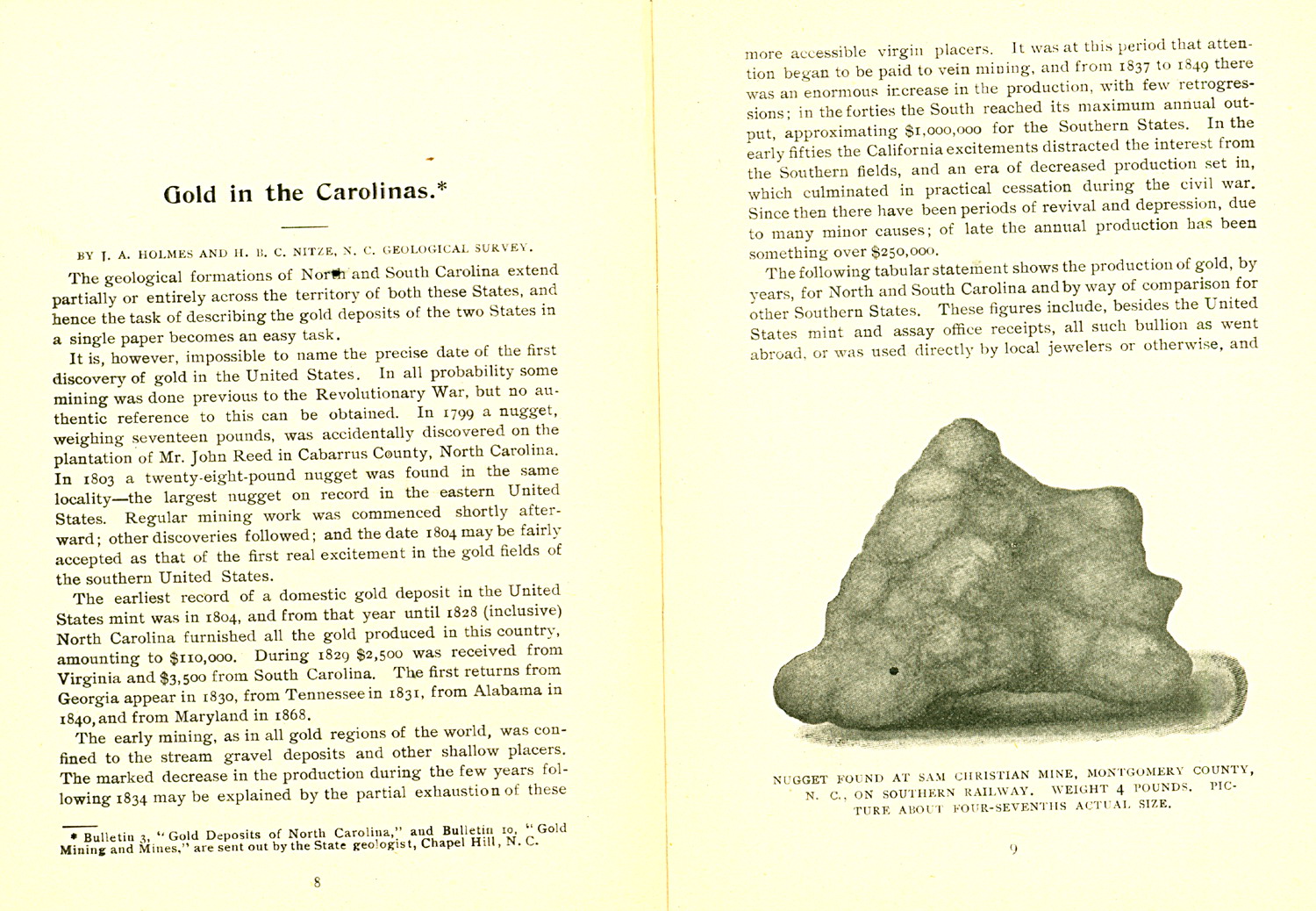
Gold Fields along the Southern Railway

This pamphlet, published in 1897, was a publicity attempt to draw people to the area and business to the Southern Railway. It was called:
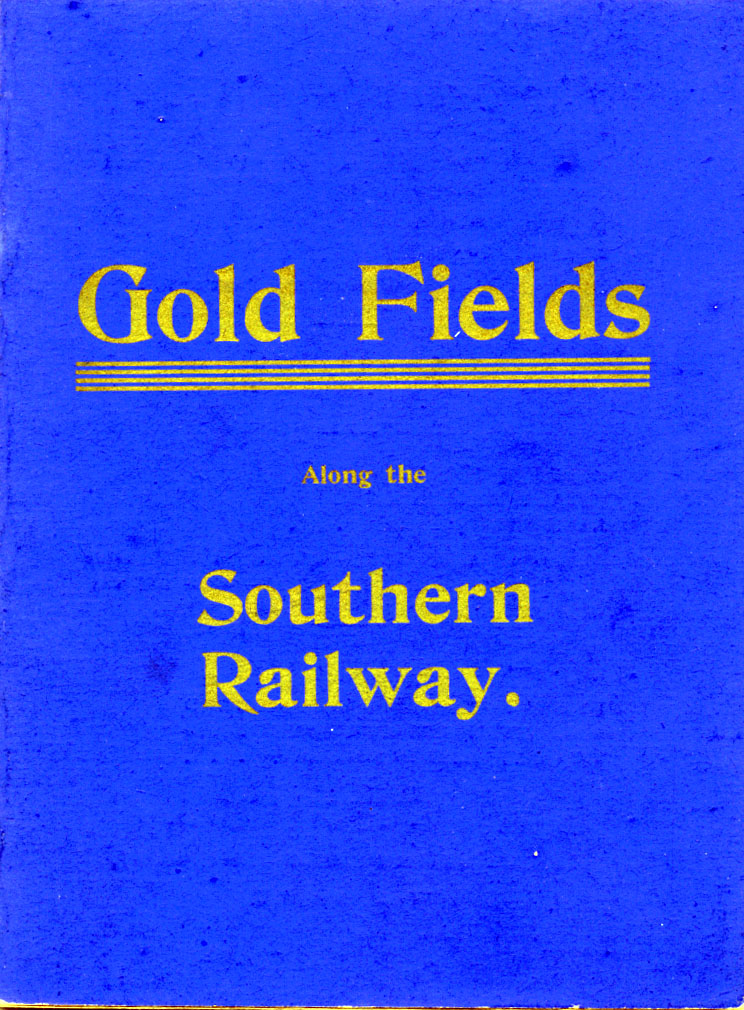
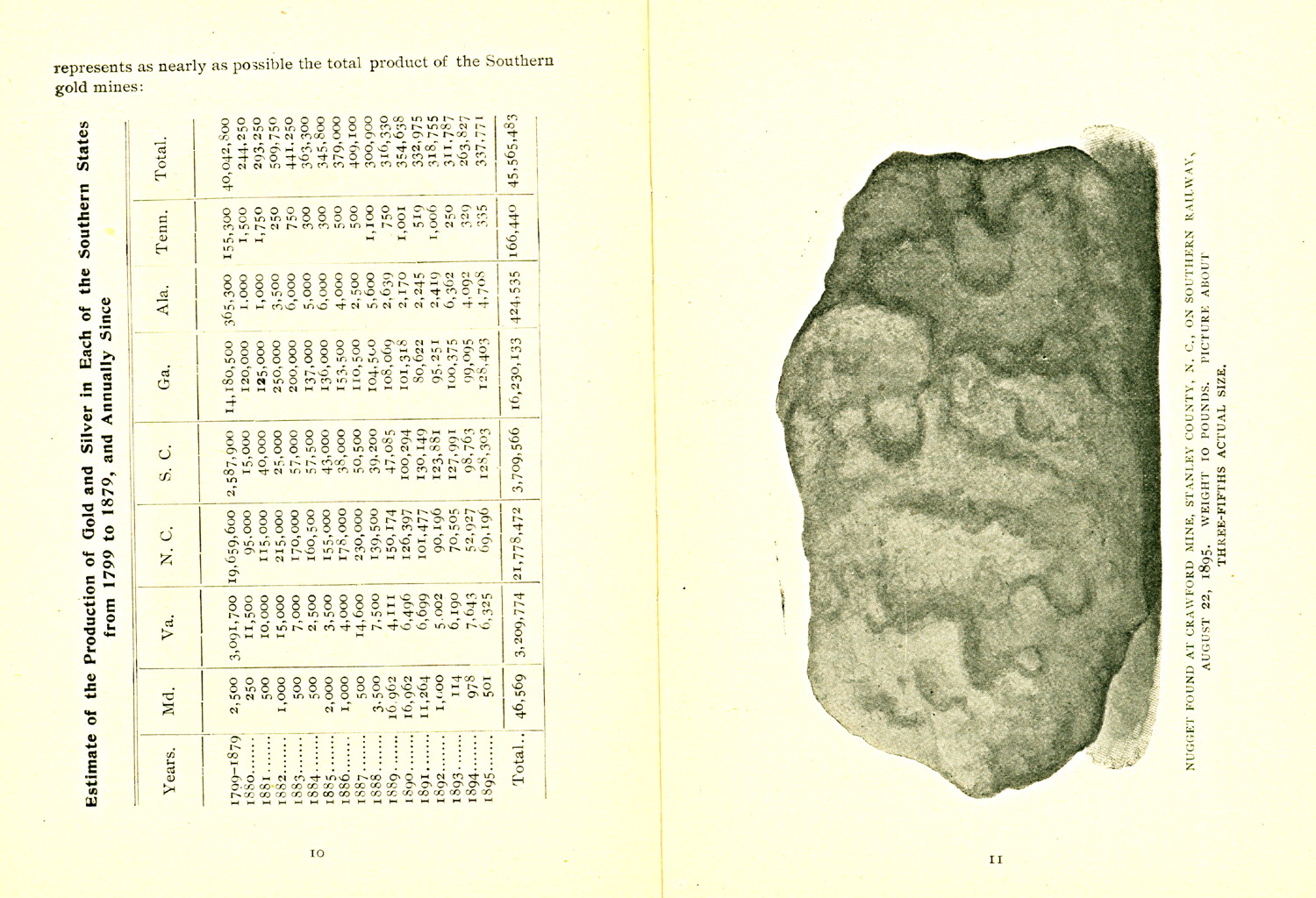
 By M.V. Richards, Land and Industrial Agent, Southern Railway. The caption under the picture of the rock says:

("Nugget found at Sam Christian mine, Montgomery County, N.C., on Southern Railway. Weight 4 pounds. Picture about four-sevenths actual size.")
Sam Christian's mine was located near the Swift Island/PeeDee area of Montgomery County, close to present day Mount Gilead, the Melton's settled on the Stanly County side of Swift Island.
"Nugget found at Crawford Mine, Stanley County, N.C., on Southern Railway, August 22, 1985. Weight 10 pounds. Picture about three-fifths actual size."


In the 1820's, all of the gold being produced in the US was coming from North Carolina. Of course, it was soon followed by Tennesee, Virginia, South Carolina, Georgia and Maryland. 

That nugget found in the creek in Cabarrus County, near the Stanly County line, started a fire that was dimmed in 1849, but smoldered throughout the 1800's. The pamphlet went on to boast the quality and quantity of gold found in Stanly, Rowan and Cabarrus counties. 
The best known and most extensively worked mining district in North Carolina is that at Gold Hill, at the junction of Rowan, Stanly and Cabarrus Counties. The country rock is chloritic and argillaceous schist, with the usual northeast by southwest strike, and dipping steeply to the northwest. For a distance of 1 1/2 miles along the strike and for a width of about 1,,200 yards the country rock is more or less impregnated with gold bearing pyrite, the pyrite being concentrated into more limited belts, in which are numerous lenticlar veins and small stringers of gold-bearing quartz.
Among the better defined of these veins are the Randolph, Barnhardt, Honeycut, Standard, Trautman and McMackin. The first of these has been worked to a depth of 750 feet.
The article continued:
It is stated that recent experiments at the Russell mine in Montgomery County, N.C., have shown that treatment by the cyanide process will cost from 90 cents to $1 per ton, on a scale of 100 tons per day, with an extraction of 85 to 90 per cent. 
gf019_mod.jpg (494339 bytes)
"Nugget found at Sam Christian Mine, Montgomery County, N.C., on Southern Railway. Weight 2 pounds. Picture one-half actual size.

This site: 

Gives the following information on the Sam Christian mine:

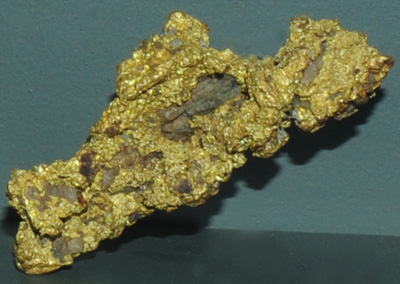
Sam Christian Mine - from Wadeville, west to within 3 miles of junctions of Routes 24 and 27, the Sam Christian Mine produced native gold (notable for large nuggets). Sam Christian Mine produced gold in placers, very large nuggets. This mine has gained something of a reputation for large and fine nuggets. The gold is found in old "channels", in gravel of a thickness of one to 3 feet and deeply covered with soil. The gold is rarely found in dust, but generally in nuggets of from 5 Dwts. to 1000 Dwts. The tract contains 1286 acres and has been worked in two places: Dry Hollow and the old Sam Christian Cut. Other channels are also known. The mine is 190 feet above the adjacent watercourses. The Yadkin River at Swift Island Ford are 3 miles away. The Sam Christian mine, located near Swift Island about 8 miles south of Morrowtock in the area of Shelter Mt., is mentioned in the following account of Mt. Gilead history: 1867-68 Christian mine operated by Sam Christian. 1872-Not in operation. 1890-Sam Christian mine in charge of a London company. 1896-Sam Christian mine owned by J.A. McAuley of Mt. Gilead. Gold was reportedly mined an a very small scale as early as 1785 near crossroads and Pekin in the lower section of Montgomery County, though no notes have been located to verify this fact. Located 4.5 miles west of Wadeville, the Sam Christian Mine was worked intermittently for several years and yielded many nuggets. This mine has been owned by many different men. It was operated for a time by hydraulic methods with water pumped from the nearby Yadkin River. The deposits of this mine consist of alluvium in former stream channels.
Gold sample from the Sam Christian mine

Who was Samuel Christian and what connections did he have with the Melton family?

Records indicate he was born in the early 1800's and died in 1864. He was the son of Rev. John Christian, and with the establishment of his mine, became one of the richest men in Montgomery County. He served as the postmaster of Lawrenceville, which was the county seat of Montgomery/Stanly Counties for a time before the they split into two counties. 
Saml H Christian
Post Office Location:Lawrenceville, Montgomery, North Carolina
Appointment Date:12 Oct 1833
Volume #:16
Volume Year Range:1844-1856

U.S., Appointments of U. S. Postmasters, 1832-1971SCHOOLS, DIRECTORIES & CHURCH HISTORIES
NAME: S H Christian
RESIDENCE: 17 Mar 1860 - Swift Island, Montgomery, North Carolina
He owned a large amount of land and property and records indicate he was planning on opening cotton mills with technology ahead of it's time. Montgomery county documents place him as owning "machinery used in factories for spinning yarn" and indicated that the machinery would be driven by water power, channeled no doubt, from the Yadkin River, a resource he used in his highly destructive environmentally gold-mining operations. Christian owned a large number of slaves and at the end of the century, a large population of African-Americans with the surname "Christian" lived in the PeeDee/Swift Island section of Montgomery County. 

In addition : 

Personnel of the Convention of 1861, Issues 1-3

 By John Gilchrist McCormick

Gives the following account of Samuel H. Christian:
"S. H. Christian of Montgomery, was born at  Lawrenceville, Montgomery County, May 20, 1805. The Christians were of English ancestry and came to North Carolina from Virginia, settling on the fertile bottom-land of the Pee Dee River in the above county. When a very small boy, he had the misfortune to be injured in such a manner to make him a cripple for life. He recieved his education at the neighborhood schools and at an early age embarked in the merchantile business. He soon united  farming with it and was very successful in  both. He also added a large flouring mill to his other interests. He represented his county in the State Senate in 1854 and '56. He was strongly opposed to secession. He was appointed to the Confederate Congress in 1863, but died, March 2 in 1864, before taking his seat."
In the book "North Carolina Reports: Cases Argued and Determined  in the Supreme Court" Vol. 72, it states, "Upon the death of S. H. Christian, upon failure of his personal estate, his administrators instituted proceedings in the Superior Court of Montgomery County to sell the real estate for the payment of debts..... Fall Term 1867..decree was made authorizing the sale of all lands, mills, and other real estate. Among the tracts was the "mill tract" in Montgomery and the "Davis Tract" in Stanly. These tracts were described fully, but neither in the petition, nor in the decree of sale, is there anything said about the ferry.... Spring 1868...'the mill on the Montgomery side, and factory with outhouses and other appurtenances, was bid off by Nathaniel Knight....sale of the Stanly land....Feb 18, 1869...by J. G. Christian...."All that tract or parcel  of land lying and being in the county of Stanly, and described as follows: lying on the west side of Pee Dee river; adjoining the land of William Davis and others, bounded as follows, viz: Beginning at a white oak on the bank of the river, just below the mill, and running thence due west, with Heathcock's and Heron's mill tract, (formerly S. H. Christian's), 29 chains to a stone heap in the field, .....(etc).....purchased for the benefit of the Swift Island Manufacturing Company...the deed to D. N. Patterson's was for the tract lying between the widow's dower, Robinson's line, and the river, containing about 200 acres containing the mill, factory and appurtenances, operatives houses, ferry and fishery. .....decree.....That the ferry at Swift Island was not mentioned in the original record....The plaintiffs asked the court to charge the  jury that by their purchase of the "William Davis" tract, on the Stanly side of the river, they required the right to one-half of the ferry as appendant and appurtenant to that tract,  they being owners to the thread of the stream. ............The ferry was established by the Plank Road Company under the authority of an act 16th Feb 1859, and was used in connection with the plank road, and as a part thereof. It is set out as a fact in the case:"The Plank Road having fallen into decay, and being discontinued as a turnpike, one Christian, the owner of the land on both sides of the river, claimed the franchise of the ferry, and kept it up until his death....according to the facts before us, the Plank Road is still in existence, and is the owner of this ferry, and above all, there is no evidence that Christian ever acquired title to the ferry, as an appurtenant to the land he owned on the Stanly County side, or the Montgomery side, or either or both....was not kept by him as a franchise 'en grosse'

This legal document paints a picture of what a wealth of activity and productivity was going on along the river at the Swift Island area at this time. I will never cross the bridge between Stanly and Montgomery feeling the same way again. In my mind will be a landscape populated with water-powered mills instead of river homes, a ferry instead of a bridge and a plank road instead of a tar and gravel one. 

Samuel H. Christian and the history of this area is also mentioned in an article at this link:
FOUNDING OF BLACKMER LODGE

Authority for organizing this Lodge was by Dispensation issued Aug. 8, 1850. It was issued in Raleigh to L. Blackmer, P. M. of Palestine Lodge No. 120 in Gold Hill; to organize a new lodge "at Zion in Montgomery County". It took two weeks for the mail to bring the document from Raleigh to Gold Hill.

The first meeting was held in Lawrenceville on August 16, 1850 with L. Blackmer as W. M.; assisted by Brethren J. M. Coffin and Arch Honeycutt of Palestine Lodge No. 120. Two petitions were received and both Preston Wooley and George Makepeace received the first two degrees that day. The organizers stayed overnight in Lawrenceville and the following day, the first two candidates received the M. M. Degree. In addition, that second meeting received two petitions from J. H. Montgomery, S. H. Christian, R. I. Mebane, all of which were elected.

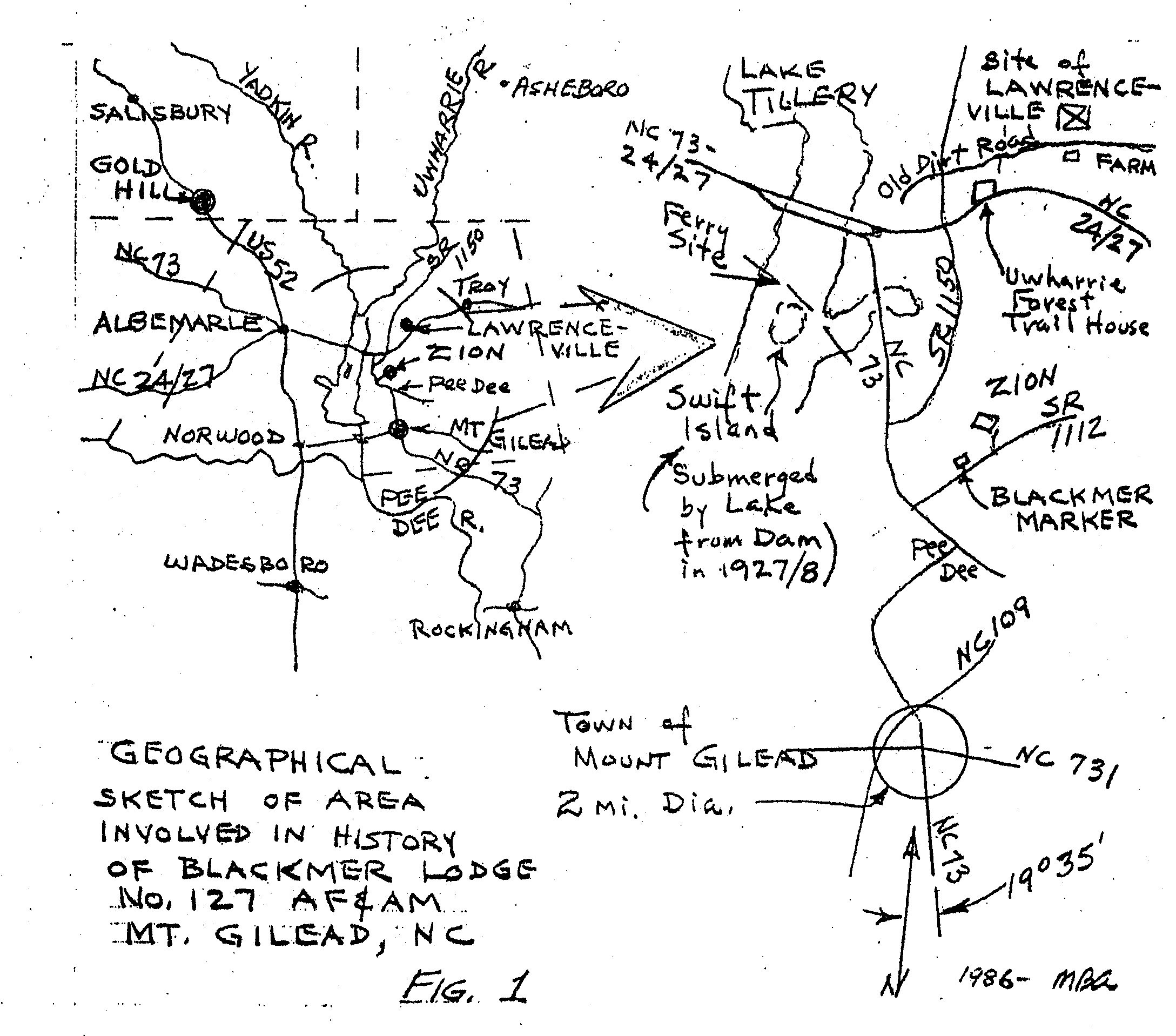
The Morganton-Fayetteville Turnpike ran from Morganton eastward through Salisbury and southward through Gold Hill, Lawrenceville, Zion, Pee Dee, and Providence toward Fayetteville. Providence became Mt. Gilead (pictures A and B)in the early 1800’s and the name of the incorporated own in later years. In 1986, highways would be US 52 south of Salisbury and NC 73 east of Albemarle through Mt. Gilead. Zion Methodist Church was established in 1786 and was the center of a growing community in 1850, followed by decline during and after the Civil War. Zion and Blackmer both have gone through difficult times and periods of suspension, but Zion celebrated its 200th anniversary on the 22nd of June 1986.


Obviously, the organizers had traveled from Gold Hill, crossed the river at the Swift Island ferry, and met in the town of Lawrenceville. Lawrenceville was a formally laid-out town in rectangular shape with about 50-plus houses, and the County Court House at the center. The courthouse burned in 1836 and the town declined thereafter. ( 4 ) 
At the Court House in Troy, the Montgomery County Register of Deeds, Book 16, Pages 366/7 shows an entry dated November 25, 1850. It shows that Col. Edmond Deberry (1787-1859) sold a lot "on the east side of the Turnpike --- at Zion." Buyer was Trustees of Blackmer Lodge No. 127 jointly the trustees of "Sons of Temperance"; for the purpose of erecting and "occupying a meeting hall."


Before the series of dams along the Yadkin/Pee Dee river changed the landscape forever, there existed an actual island in the river. Being situated in the Uwharries and not far from the current Morrow Mountain State Park, the small mountains and hill rose gradually on either side of the river causing high banks and a rushing stream around either side of the island. This is where "Swift Island" got its name. Currently, a nearby gas station bears the name "Swift Island" and one day, a child of mine asked where the name came from, as the Island must have been so swift that it got away. 

This history on the S. H. Christian mine, the location of Swift Island and gold mining in the area was to lead to this one find of information from the Carolina Watchman, Salisbury, NC. 

Sept 17, 1858 issue
"Robert Melton, and a negro man belonging to Thomas Lilly, accidentally crushed to death while tunneling in a pit, recently, at Christian's Gold Mine in Montgomery County. "

Thomas Lilly hired out his help in the mines and lived to see another day. Robert Melton was a fatherless young man. 

Name:Thomas Lilly
Age in 1870:52
Birth Year:abt 1818
Birthplace:North Carolina
Home in 1870:Mount Gilead, Montgomery,North Carolina
Race:White
Gender:Male
Post Office:Mount Gilead
Value of real estate:View Image
Household Members:
NameAge
Thomas Lilly52
Lucilia Lilly44
John Lilly20
Daniel Lilly14
Amy Lilly8
Mary Lilly5


Other Melton's who lost their lives in the search for gold were Harris Melton and John Melton, Jr., after moving to Gold Hill in Rowan County. John made enough money for his widow, Nancy Boysworth Melton to purchase a hotel from Mr. Green L. Wren, of Virginia and Warren Counties, N. C.